
A poorly positioned doorway, a beautiful sofa that overwhelms the room, lighting specified without regard for evening use - these are costly decisions to revisit once a project is underway. Knowing when to hire an interior designer is less about the size of a property than the number of decisions that need to work together. The earlier professional thinking is introduced, the greater the opportunity to protect proportion, comfort, craftsmanship and long-term value.
For some homes, a designer is essential before a single wall is moved. For others, the right moment may be when the architecture is settled but the rooms lack coherence. The distinction lies in the complexity of the brief, the standard of finish expected and the level of detail required to make a home feel considered rather than simply furnished.
When to Hire an Interior Designer: The Early Signs
The clearest signal is that the project involves interdependent decisions. A new kitchen may affect flooring levels, electrical locations, joinery, lighting, ventilation and the circulation through adjoining rooms. A principal suite often requires the same joined-up approach, with dressing areas, bathrooms, acoustic privacy, window treatments and concealed storage all considered as one composition.
An interior designer brings order to these decisions before they become site problems. This does not mean every home needs a complete redesign. It does mean that projects involving structural alterations, a substantial renovation, a new-build property or several rooms being furnished at once benefit from a coherent design framework.
Timing matters particularly when a property has unusual proportions or architectural constraints. Period detailing, listed features, compact city layouts, expansive open-plan rooms and irregular rooflines all demand careful spatial judgement. In such settings, furniture cannot be treated as the final decorative layer. Its scale, placement and relationship to architecture should inform the plan from the outset.
Before layouts and services are fixed
Engage a designer before approving plans with a builder or architect if the project includes altered room layouts, bespoke joinery, new bathrooms or a revised kitchen. At this point, the designer can test how the house will actually be used: where guests arrive, where coats and bags are placed, how family members move through the rooms, and where quiet can be found.
This stage is also where unseen decisions become valuable. Electrical plans should account for table lamps, picture lighting, charging points, motorised window treatments and feature pendants. Joinery drawings need to accommodate real objects, from luggage and formalware to sports equipment and children's belongings. A considered interior scheme makes these provisions feel discreet, rather than retrospectively added.
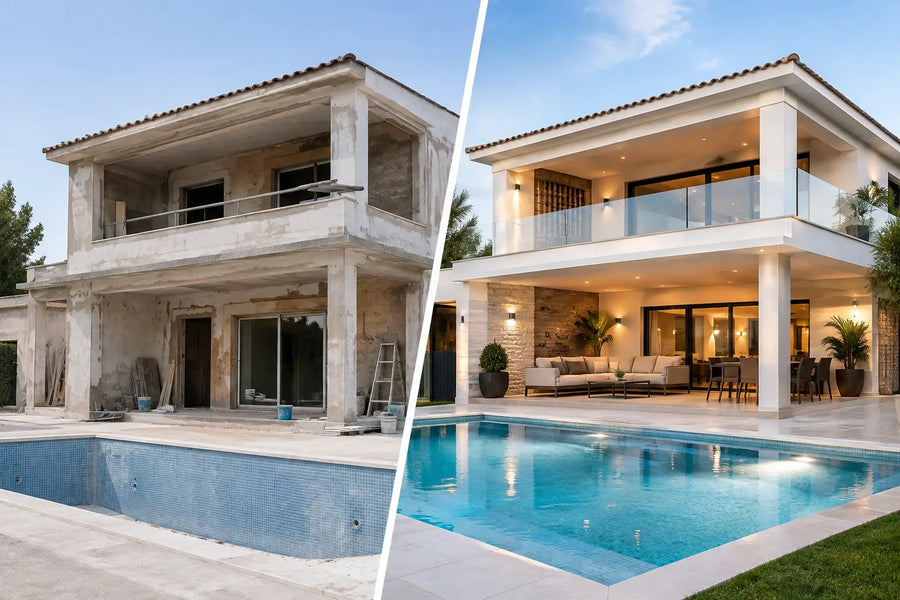
Waiting until construction has begun can narrow the options. It may still be possible to select refined furniture and finishes, but changes to ceiling heights, socket locations, heating positions or door swings become more disruptive once work is underway.
Projects That Benefit Most From Professional Direction
A full-service designer is particularly valuable when the desired outcome depends on customisation and coordination. Luxury interiors are rarely created by selecting individual pieces in isolation. They are shaped through proportion, material transitions, tonal balance, light and the many practical details that allow daily life to proceed effortlessly.
A turnkey project, for example, involves far more than choosing a dining table and upholstery. It may include interior architecture, furniture plans, bespoke rugs, decorative lighting, wall finishes, window treatments, art placement, procurement schedules, delivery coordination and final styling. Each element has its own lead time, technical requirements and installation sequence.
The same applies to a second home or overseas residence. Clients may have limited time on site and need decisions resolved with confidence, from durable external fabrics to furniture layouts that accommodate extended family and guests. A designer provides a single point of creative direction while coordinating the specialist knowledge needed for the project.
Developers and investors also benefit when an interior is expected to support a particular market position. The objective is not to impose a generic look, but to create a compelling sense of scale, quality and liveability that suits the property and its likely occupants. A well-considered specification can distinguish a residence without relying on short-lived decorative trends.
The Difference Between a Designer and a Decorating Appointment
There is no rule that says every furnishing decision requires a full design service. If a room is structurally complete, its purpose is clear and the requirement is limited to one or two significant pieces, a focused consultation or showroom appointment may be sufficient. An experienced adviser can help assess dimensions, finishes and upholstery against the existing scheme.
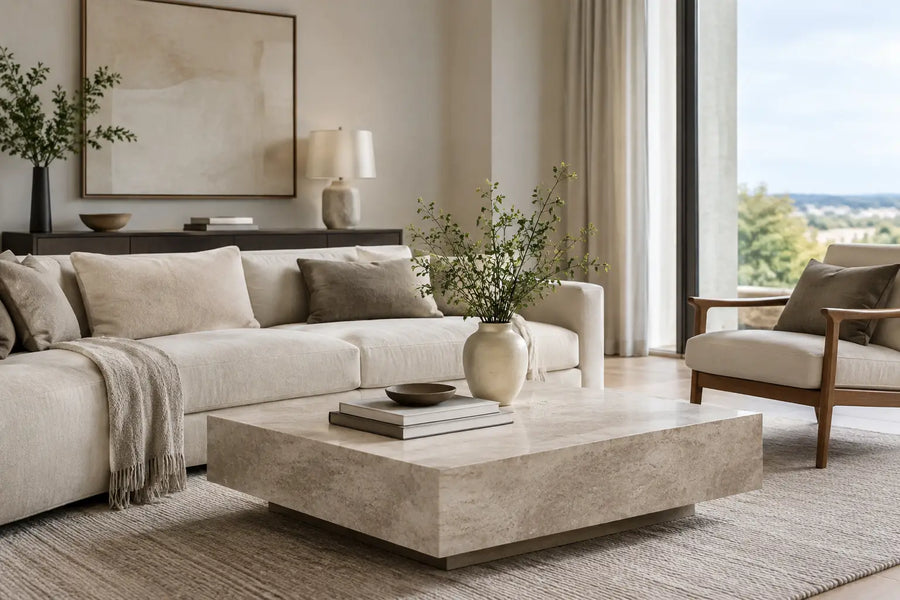
The threshold changes when the choices begin to affect one another. Selecting a sofa may seem straightforward until its depth changes the circulation route, its seat height alters the view across a coffee table, and its fabric needs to sit comfortably beside curtains, rugs, wall colour and daylight. The designer's contribution is not simply access to furniture. It is the ability to see the whole room, including the elements that have not yet been selected.
This is especially relevant when commissioning bespoke pieces. A made-to-order sectional, dining table or upholstered bed should be designed around the room, not merely ordered in an attractive finish. Dimensions, leg details, comfort, fabric durability and delivery access all deserve attention before production begins. Bespoke work offers genuine freedom, but it also makes early, precise decisions more important.
Signs That You May Be Waiting Too Long
Many clients first seek help after several purchases have failed to settle the room. A collection of individually appealing pieces can still feel disjointed if their visual weight, finishes or eras compete. Another common sign is decision fatigue: every option looks plausible, yet none feels assured enough to commit to.
Repeated delays between trades are another warning. If the electrician needs a lighting plan, the joiner needs elevations and the flooring installer needs confirmation of thresholds, the project requires a coordinated design sequence. Decisions made under pressure tend to favour what is available immediately rather than what is right for the home.
Budget drift can also indicate a lack of overall direction. This is not solely about spending less. It is about assigning investment where it will be felt every day: comfort, cabinetry, lighting quality, tactile materials and furniture that carries the room. A designer can help establish priorities, ensuring that resources are not consumed by revisions or by items that will soon feel inadequate.
What to Prepare Before the First Conversation
You do not need a complete vision before approaching a designer. In fact, a strong brief often begins with a few clear observations: what currently frustrates you, how the household lives and how you want the rooms to feel at different times of day.
It is useful to gather floor plans, photographs of the property, any architectural drawings and a realistic outline of the scope. Consider practical requirements alongside aesthetic preferences. Do you entertain formally or casually? Is there a need for concealed technology, a dedicated cinema room, children’s study areas or guest accommodation that works hard at weekends? Are there collections, art or inherited pieces that should remain part of the story?
It also helps to be candid about the level of service required. Some clients enjoy making selections collaboratively and want expert curation. Others prefer a managed process from concept through procurement, installation and styling. Neither approach is inherently better; the appropriate service depends on available time, appetite for detail and the complexity of the project.
Choosing the Right Moment, Not Merely the Right Designer
The best appointment is often earlier than expected, but it should also be purposeful. Bring a designer in when there is enough information to understand the property and enough flexibility to influence it. A preliminary consultation before a purchase, renovation or move can prevent a great deal of uncertainty, even if the full project begins later.
For a substantial residence, early involvement allows the interior to be developed in parallel with the architecture. For a single finished room, a carefully structured furnishing scheme may be all that is needed. The value lies in matching the level of expertise to the consequence of the decisions.
A home of enduring quality is built through hundreds of small judgements, made calmly and in the right order. If those judgements are beginning to feel numerous, expensive or difficult to reverse, that is usually the right time to invite professional direction.
Touched Interiors
The Insider is written by the Touched Interiors design studio in Manchester, founded by Kunal Trehan in 2009 and named Interior Design Studio of the Year in 2024 and 2025. About the studio.